US Citizenship Renunciations Hit Record Highs: The Real Numbers (2026)
How many Americans actually give up their passports, why they do it, and what the exit tax costs.
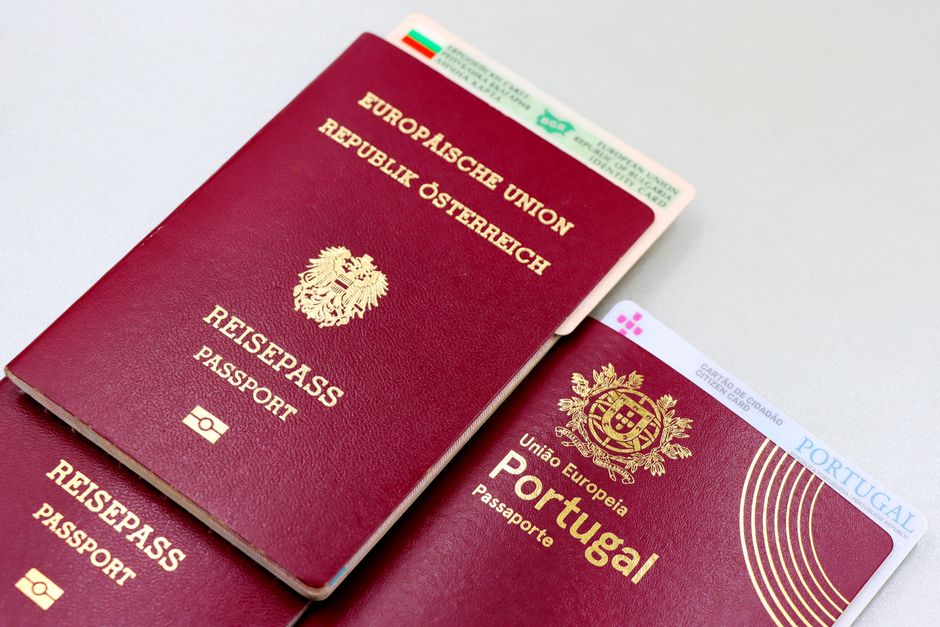
US citizenship renunciations hit an all-time record of 6,705 in 2020 and have run near 5,000 a year since — roughly ten times the pre-2009 baseline. The main driver isn't politics; it's FATCA, the tax and banking burden the US places on citizens abroad. But renouncing is drastic and, for the wealthy, expensive: the §877A exit tax treats a covered expatriate (net worth ≥ $2M) as having sold everything they own. Most people who want a Plan B get a second passport instead — and keep their US citizenship.
The numbers: a tenfold jump, sustained
There's one government-grade way to count Americans who formally cut ties: the IRS's Quarterly Publication of Individuals Who Have Chosen to Expatriate, published in the Federal Register under IRC §6039G. It names everyone who renounced US citizenship (or gave up long-term green-card status) each quarter.
The trend is unmistakable. Before 2009, a few hundred people renounced each year. That number rose roughly tenfold over the following decade, hitting an all-time record of 6,705 in 2020, and has run near 5,000 a year since — 2024 came in at nearly 5,000, up about 48% over 2023. One caveat: the data publishes 12–18 months after the fact, so the most recent quarters always undercount.
Why they leave — and it's not mainly politics
It's tempting to read renunciations as a political thermometer, and election years do produce spikes in interest. But the sustained driver is more mundane and more powerful: FATCA.
The US is one of only two countries that taxes by citizenship, not residence. FATCA (the Foreign Account Tax Compliance Act) then requires foreign banks to report US-person accounts — so many banks abroad simply refuse American customers rather than deal with the paperwork. Add the annual US filing, FBAR, and the punitive tax treatment of foreign mutual funds, and for a long-term American abroad, US citizenship becomes a genuine financial and administrative burden. That, far more than any single president, is what pushes people to the exit.
Keep it in perspective: it's still rare
Record-breaking is not the same as common. Even at the peak, renunciations run around 5,000–7,000 a year — a tiny fraction of the estimated 4.4–5.5 million US citizens living abroad, the vast majority of whom keep their passports and simply file their taxes.
Renouncing is a serious, irreversible step: you lose the right to live and work in the US, and you generally must already hold another citizenship first (you can't render yourself stateless). For most people weighing a 'Plan B,' it's the wrong tool — more on that below.
The exit tax: what renouncing actually costs
For anyone with real assets, the deterrent isn't the paperwork — it's the §877A 'exit tax.' If you're a covered expatriate, the US treats you as having sold everything you own at fair market value the day before you renounce, and taxes the gain.
You're a covered expatriate if you meet any of these:
- Net worth of $2 million or more, or
- Average annual US income-tax liability above ~$206,000 (2025) / ~$211,000 (2026) over the prior five years, or
- You can't certify five years of US tax compliance.
The exit tax, continued
The mark-to-market tax applies to your worldwide assets, with a gain exclusion of about $890,000 (2025) / $910,000 (2026) — everything above that is taxable. Retirement accounts and certain deferred items have their own harsh rules. You certify it all on Form 8854.
For a UHNW family, that can mean a very large, one-time tax bill just to walk out the door — which is exactly why renunciation is a decision for careful cross-border tax planning, not a spur-of-the-moment reaction to a headline. This is not tax advice; model it with a specialist before doing anything.
What most people do instead: a second passport
Here's the key insight the renunciation numbers obscure: the overwhelming majority of Americans who want a 'Plan B' don't renounce at all. They get a second citizenship or a strategic residency — and keep their US passport. The US permits dual citizenship, so you can hold both.
A second passport delivers most of what people actually want — mobility, an EU or Caribbean base, a permanent fallback, family security — without triggering the exit tax or giving up your American life. Renunciation only makes sense for a specific profile: someone genuinely committed to leaving the US tax system for good, who has run the exit-tax math and decided it's worth it. For everyone else, a second passport is the smarter move. (That's the work of our private-client practice, Plan B Private.)
The honest takeaway
Renunciations are at historic highs and rising — a real signal that citizenship-based taxation has made US citizenship costly for those who live abroad. But the numbers are small, the exit tax is a serious deterrent for the wealthy, and renouncing is the exception, not the rule. If you want a Plan B, start with a second passport and clean cross-border planning; treat renunciation as a last resort you model carefully, not a reflex.
Frequently asked
How many Americans renounce their citizenship each year?
Renunciations hit an all-time record of 6,705 in 2020 and have run near 5,000 a year since (2024 was up about 48% over 2023), per the IRS's quarterly Federal Register list. That's roughly ten times the pre-2009 baseline — but still a tiny fraction of the millions of Americans living abroad.
Why are so many Americans giving up citizenship?
The main driver is FATCA and citizenship-based taxation, not politics. The US taxes citizens on worldwide income wherever they live, and FATCA makes foreign banks wary of American customers — so for long-term expats, US citizenship becomes a tax and banking burden. That, more than any election, sustains the trend.
How much does the US exit tax cost?
If you're a 'covered expatriate' (net worth ≥ $2 million, or average US tax liability above ~$206k–$211k, or not tax-compliant), the §877A exit tax treats you as selling all your worldwide assets at renunciation, taxing the gain above an exclusion of about $890k–$910k. For a wealthy family that can be a very large one-time bill, filed on Form 8854.
Do I have to renounce US citizenship to get a second passport?
No — and most people don't. The US allows dual citizenship, so you can get a second passport or a strategic residency and keep your US citizenship. Renouncing is a separate, drastic step (with its own exit tax) that only makes sense for those committed to leaving the US tax system entirely.
- IRS — Quarterly Publication of Individuals Who Have Chosen to Expatriate (Federal Register)
- IRS — Expatriation Tax (§877A, covered expatriate, Form 8854)
- IRS — FATCA (Foreign Account Tax Compliance Act)
- Boundless — The Rise in US Citizenship Renunciations (Federal Register data)
General information for US citizens, not legal or tax advice. Figures are estimates from the cited sources as of the dates shown; confirm current data before acting.